Capital City
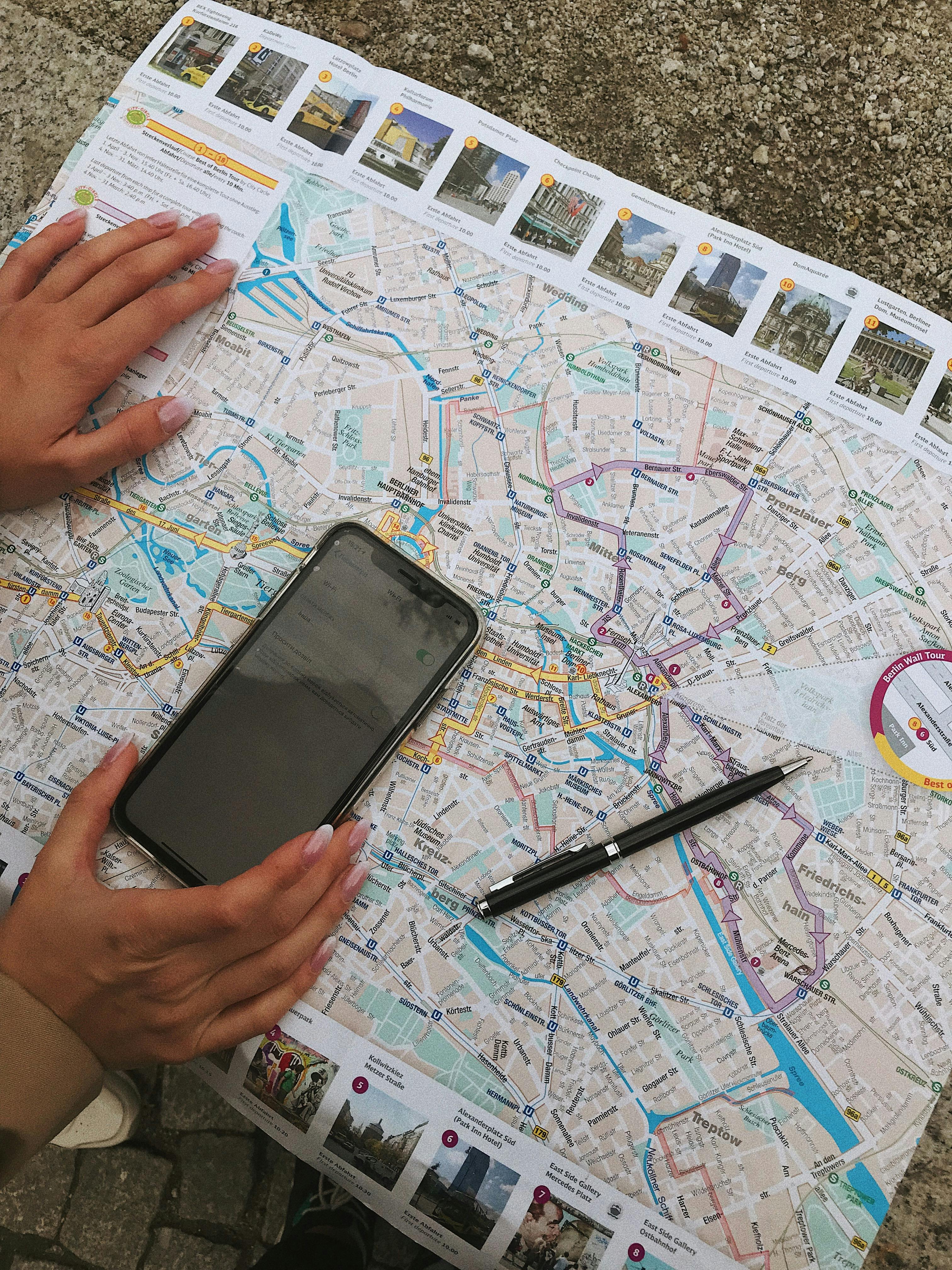
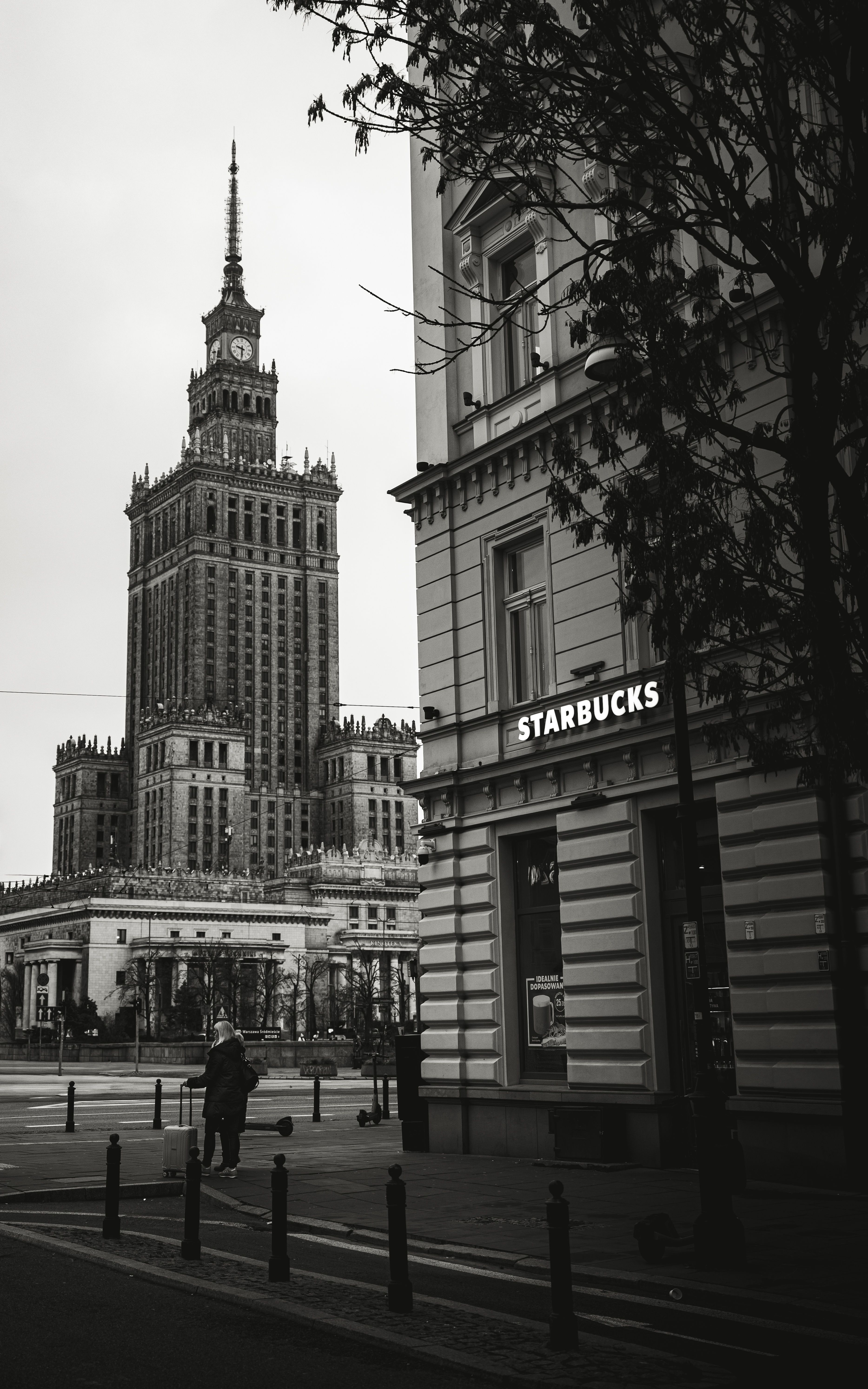
Warsaw
A city reborn — Warsaw blends its dramatic wartime history with a booming modern metropolis of culture, cuisine, and innovation.
Explore Warsaw →From medieval castles to vibrant city nightlife, pristine mountain trails to rich cultural heritage — Poland awaits your adventure.
Explore Destinations Plan My TripWhether you seek culture, adventure, or relaxation, Poland has a destination perfectly suited for you.
A city reborn — Warsaw blends its dramatic wartime history with a booming modern metropolis of culture, cuisine, and innovation.
Explore Warsaw →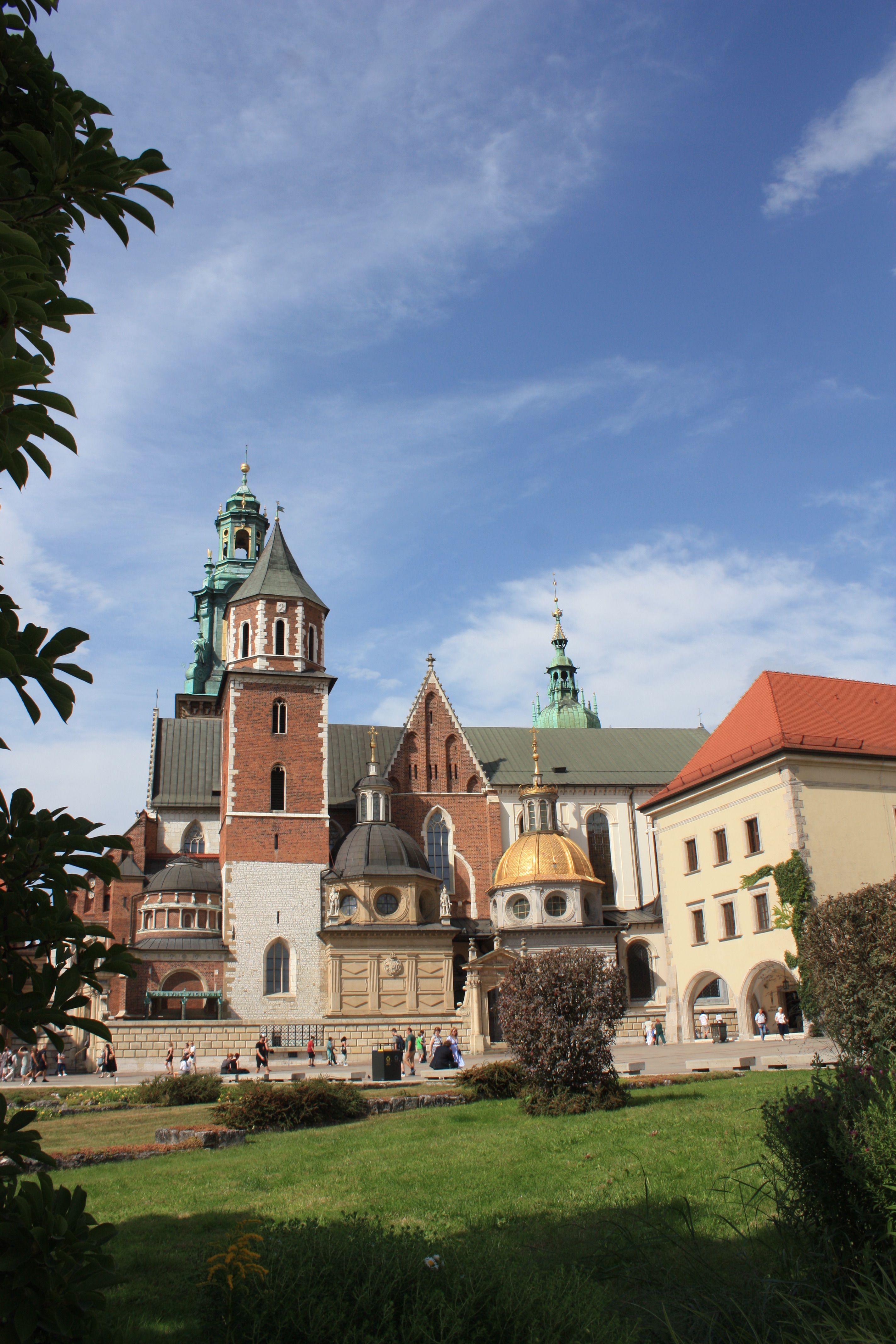
Poland's cultural heart, with a stunning medieval Old Town, the majestic Wawel Castle, and a vibrant café and arts scene.
Explore Kraków →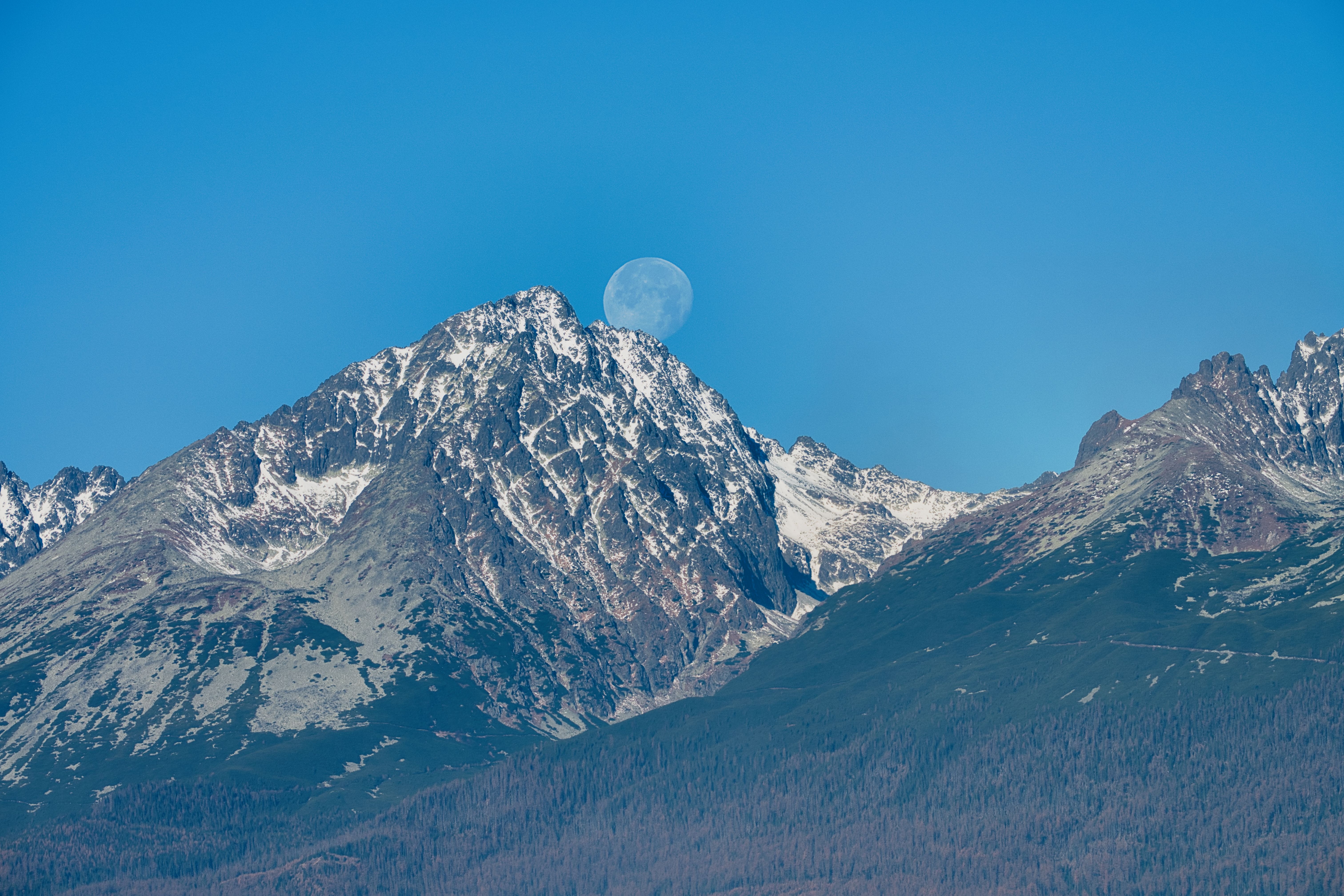
Poland's alpine jewel — dramatic peaks, stunning valleys, hiking trails for all abilities, and traditional highland culture.
Explore the Tatras →Poland consistently surprises first-time visitors. Here are just a few reasons why it deserves a place on your travel bucket list.
Explore over a thousand years of history, from the Piast dynasty to WWII memorials, medieval castles, and royal palaces.
Polish food is hearty, flavourful, and deeply satisfying — from pierogi and żurek to bigos and oscypek cheese.
Poland offers exceptional value for money compared to Western Europe — top-quality accommodation, food, and attractions at a fraction of the cost.
From Baltic coastlines to mountain peaks — explore Poland's most captivating cities and regions.
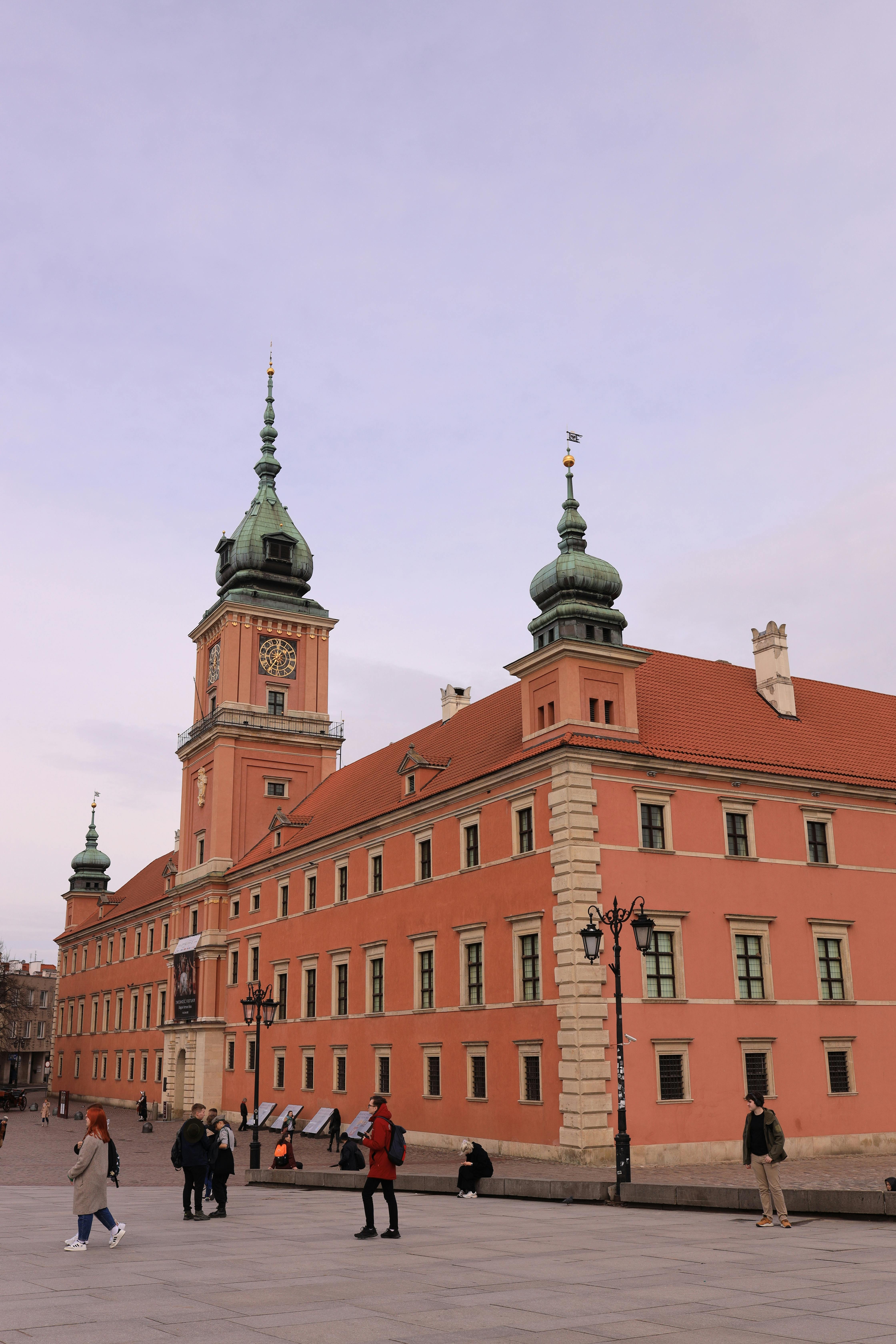
Poland's vibrant capital is a city of remarkable contrasts. Painstakingly rebuilt after WWII, Warsaw's reconstructed Old Town now stands as a UNESCO World Heritage Site. The city is home to world-class museums, a thriving arts scene, excellent restaurants, and a buzzing nightlife. Must-see attractions include the Royal Castle, the Warsaw Uprising Museum, Łazienki Park, and the stunning Palace of Culture and Science — an unmistakable skyline centrepiece.
Arguably Poland's most beautiful city, Kraków was largely spared from WWII destruction, leaving its medieval architecture gloriously intact. The city's Main Market Square — Rynek Główny — is one of the largest medieval town squares in Europe. A short distance away, the atmospheric Kazimierz district offers a rich blend of Jewish heritage, trendy bars, and independent shops. Wieliczka Salt Mine and Auschwitz-Birkenau are must-visit day trips.
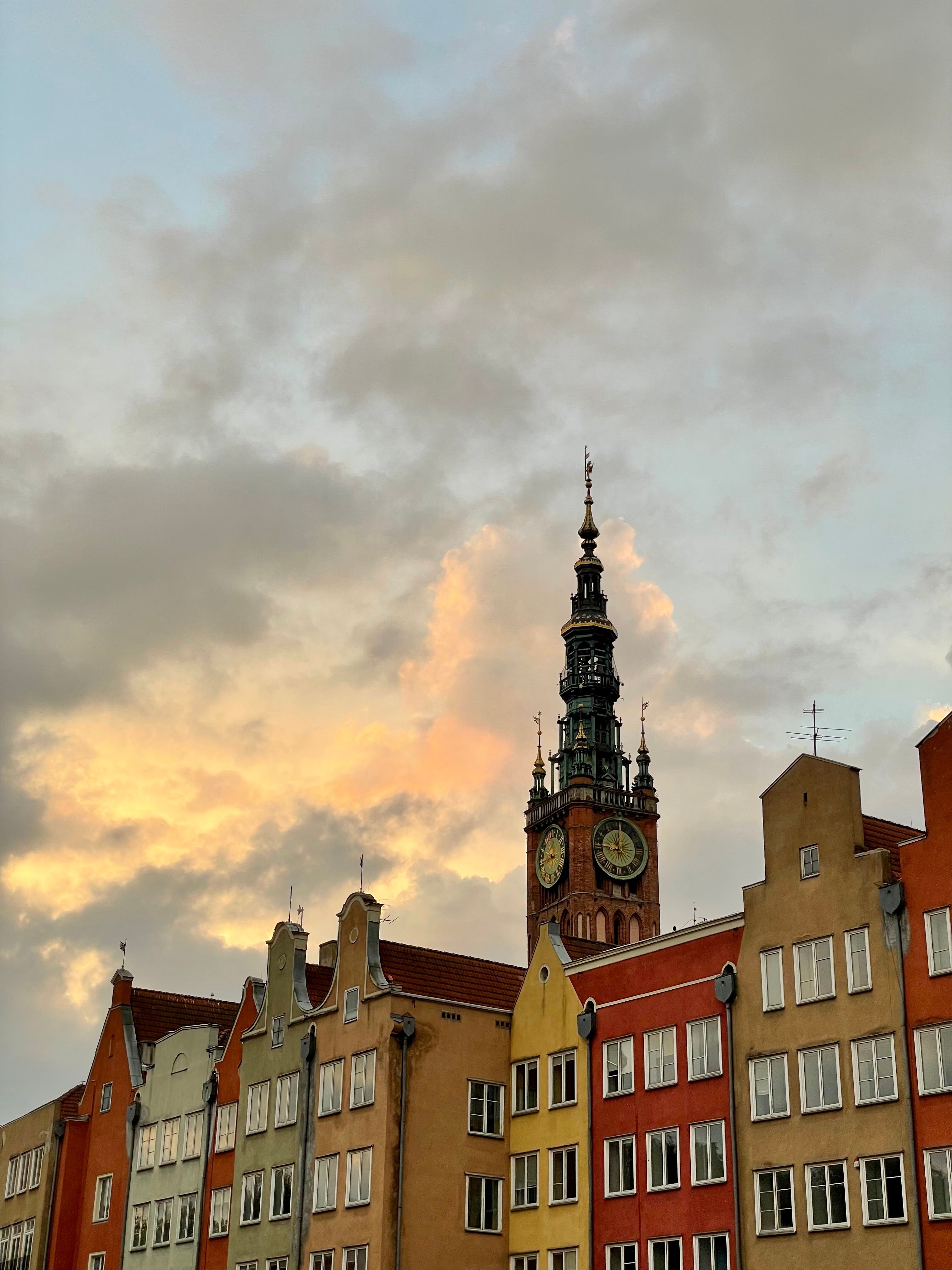
Poland's gateway to the Baltic Sea, Gdańsk is a stunning Hanseatic city with colourful merchant houses lining the Long Market. Known as the birthplace of Solidarity — the trade union movement that helped bring down communism — the city has a rich and complex history. The European Solidarity Centre is a must-visit, as is a stroll along the Motława waterfront and a trip to Malbork Castle nearby.
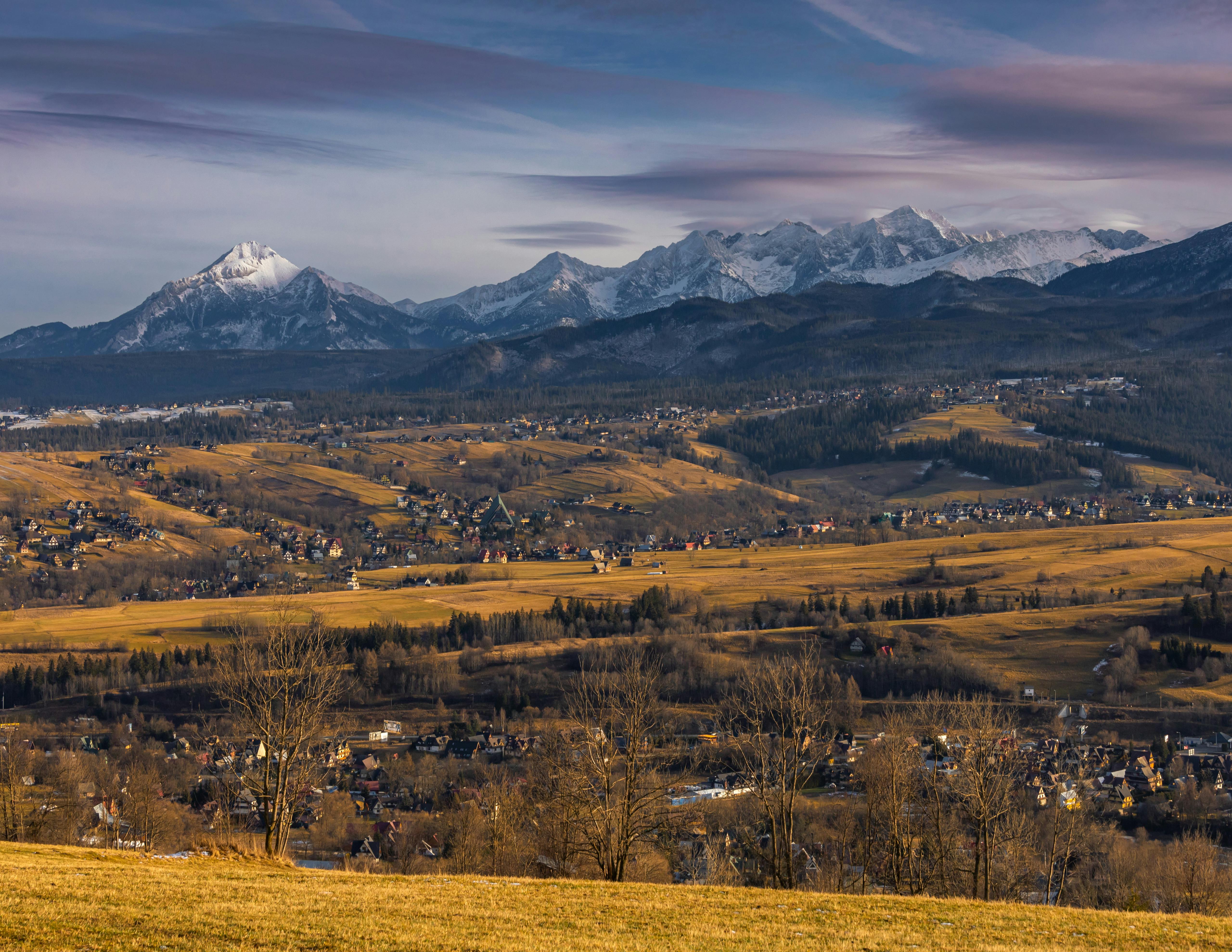
The Tatras form the highest part of the Carpathian Mountains and sit on the border between Poland and Slovakia. The charming resort town of Zakopane serves as the base for most mountain adventures. Summer brings hiking, cycling, and paragliding; winter transforms the region into a ski destination. Don't miss the cable car ride to Kasprowy Wierch or a hike to the stunning Morskie Oko lake.
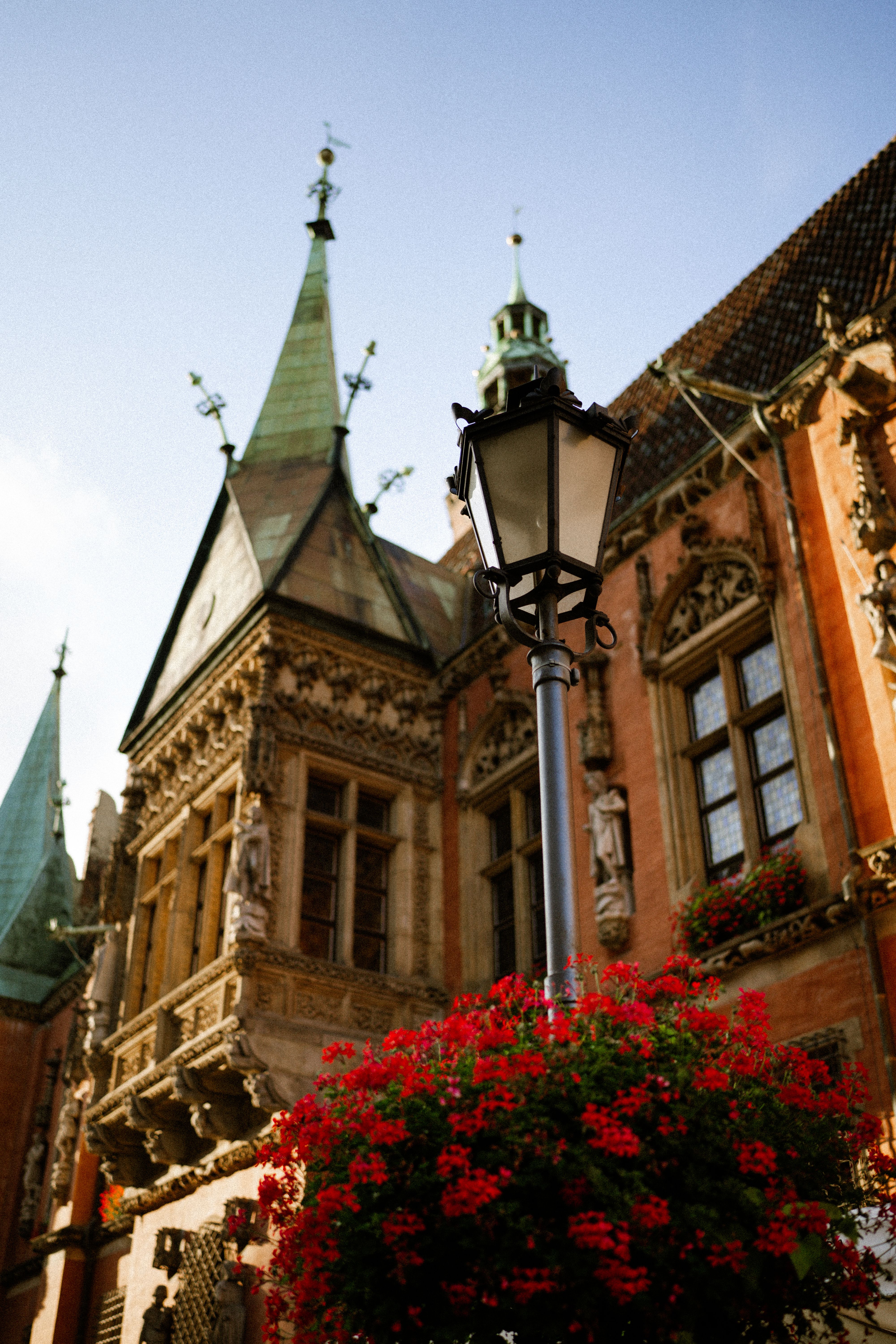
One of Europe's most underrated cities, Wrocław (pronounced "Vrots-waf") sits on the River Oder and is famous for its beautiful Gothic Market Square and over 100 bridges. The city has a youthful, cosmopolitan atmosphere thanks to its large student population. Look out for the city's famous bronze gnome (krasnal) figurines hidden throughout the streets. The Panorama of the Battle of Racławice is a breathtaking artistic experience not to be missed.
Over 1,000 years of fascinating history, art, music, and traditions that have shaped the heart of Europe.
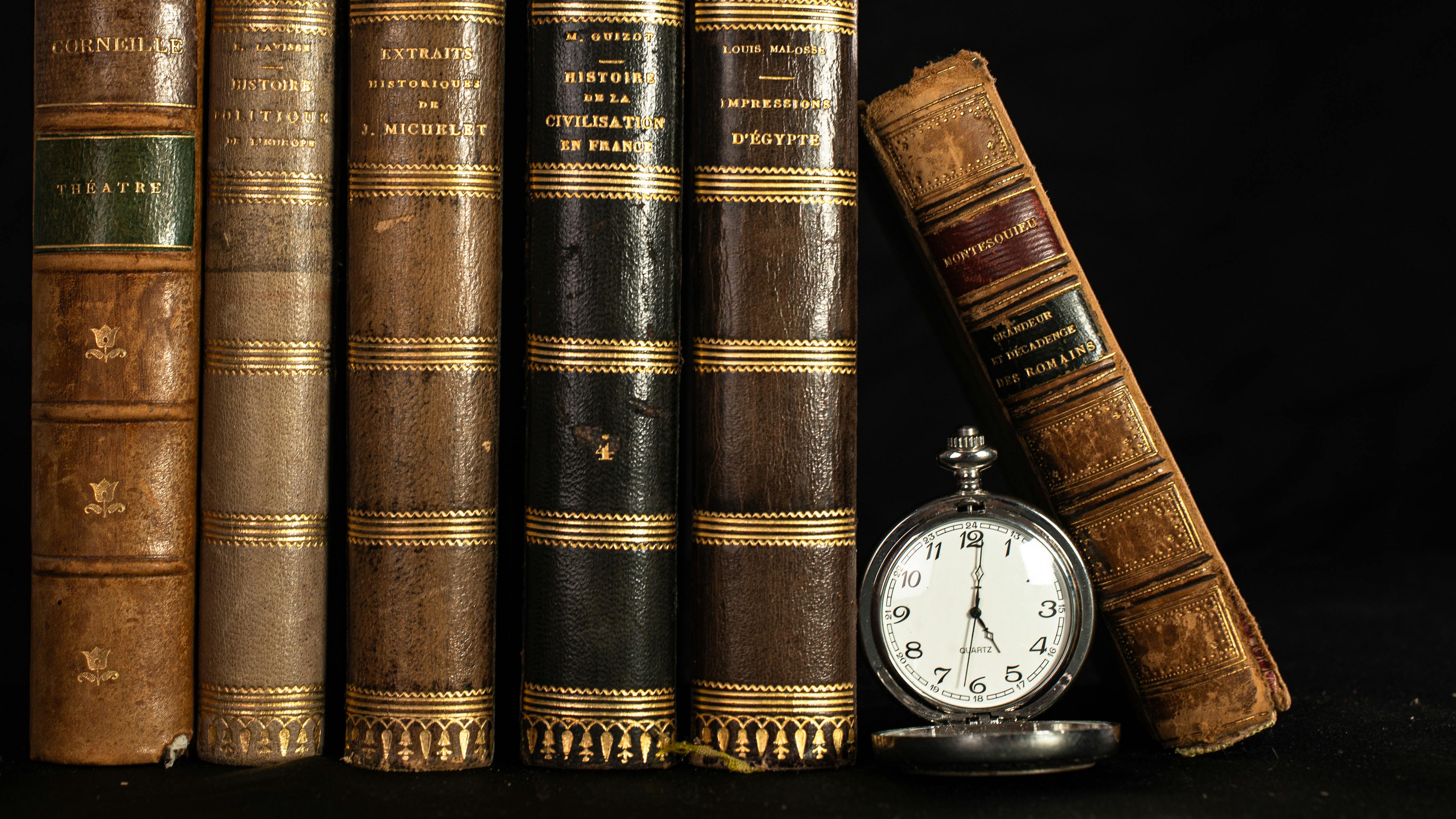
Poland's history spans over a millennium, beginning with the formation of the Piast dynasty in the 10th century. The country has endured invasions, partitions, and occupation — yet has consistently emerged with its national identity fiercely intact.
The 20th century brought Poland its most devastating challenges. The country lost around 6 million citizens during WWII — nearly a fifth of its pre-war population. Sites such as Auschwitz-Birkenau stand as solemn reminders of this era and attract visitors from across the globe.
In 1989, Poland became the first Eastern Bloc country to hold free elections, marking the beginning of a democratic transformation that inspired change across Central and Eastern Europe.
Poland has produced some of the world's greatest composers, writers, and artists. Frédéric Chopin — born near Warsaw — remains one of the most celebrated pianists and composers in history. His works are celebrated at the Chopin Museum in Warsaw and at free outdoor concerts in Łazienki Park throughout the summer.
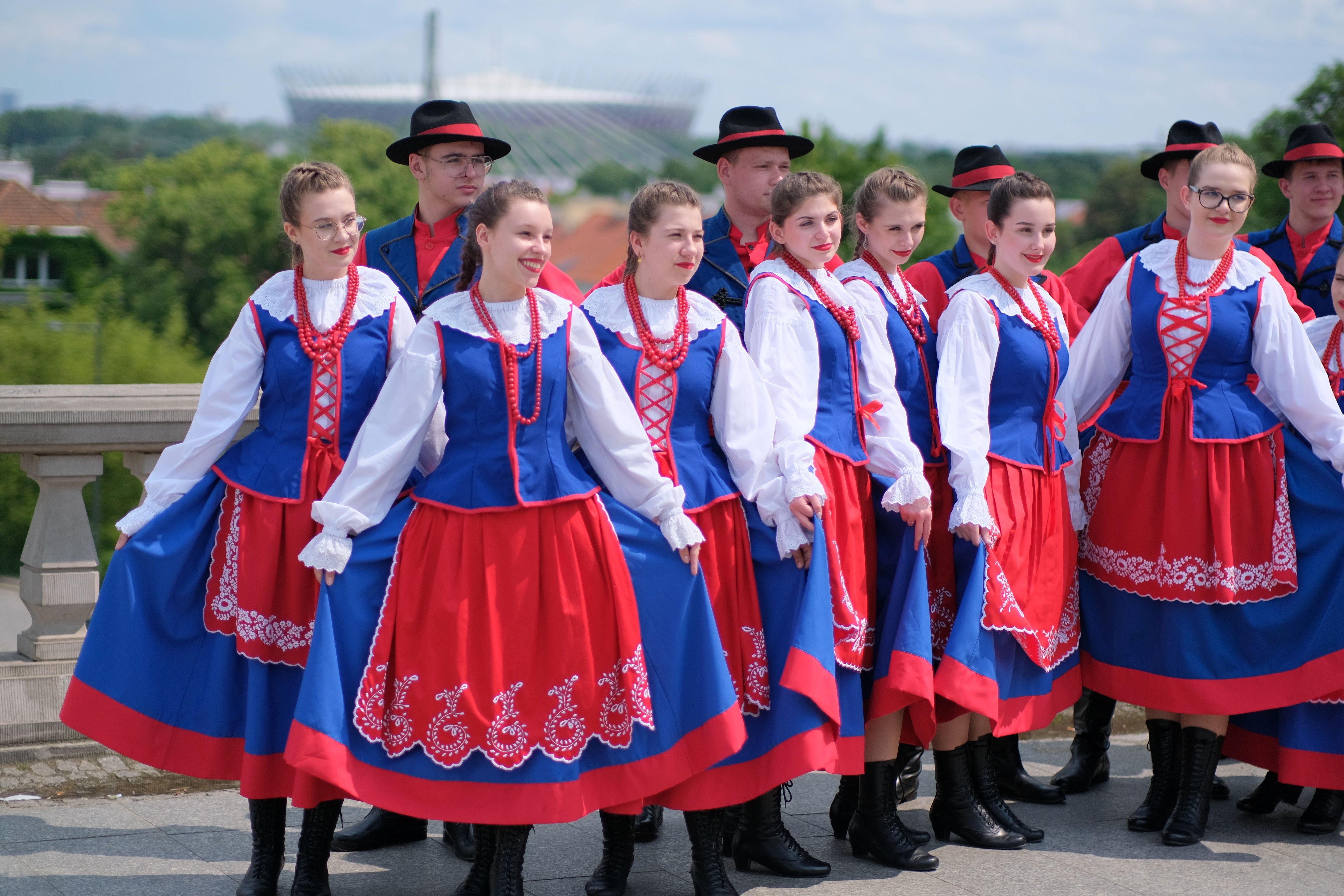
Polish folk culture is vibrant and regionally diverse. From the highland traditions of the Górale people in the Tatras to the distinctive Łowicz costumes and embroidery of central Poland, folk art and craft remain an integral part of national identity.
The country also has a rich literary heritage — three Polish authors have won the Nobel Prize in Literature, including Wisława Szymborska and Olga Tokarczuk.
These are essential stops for anyone with an interest in understanding Poland's profound history.
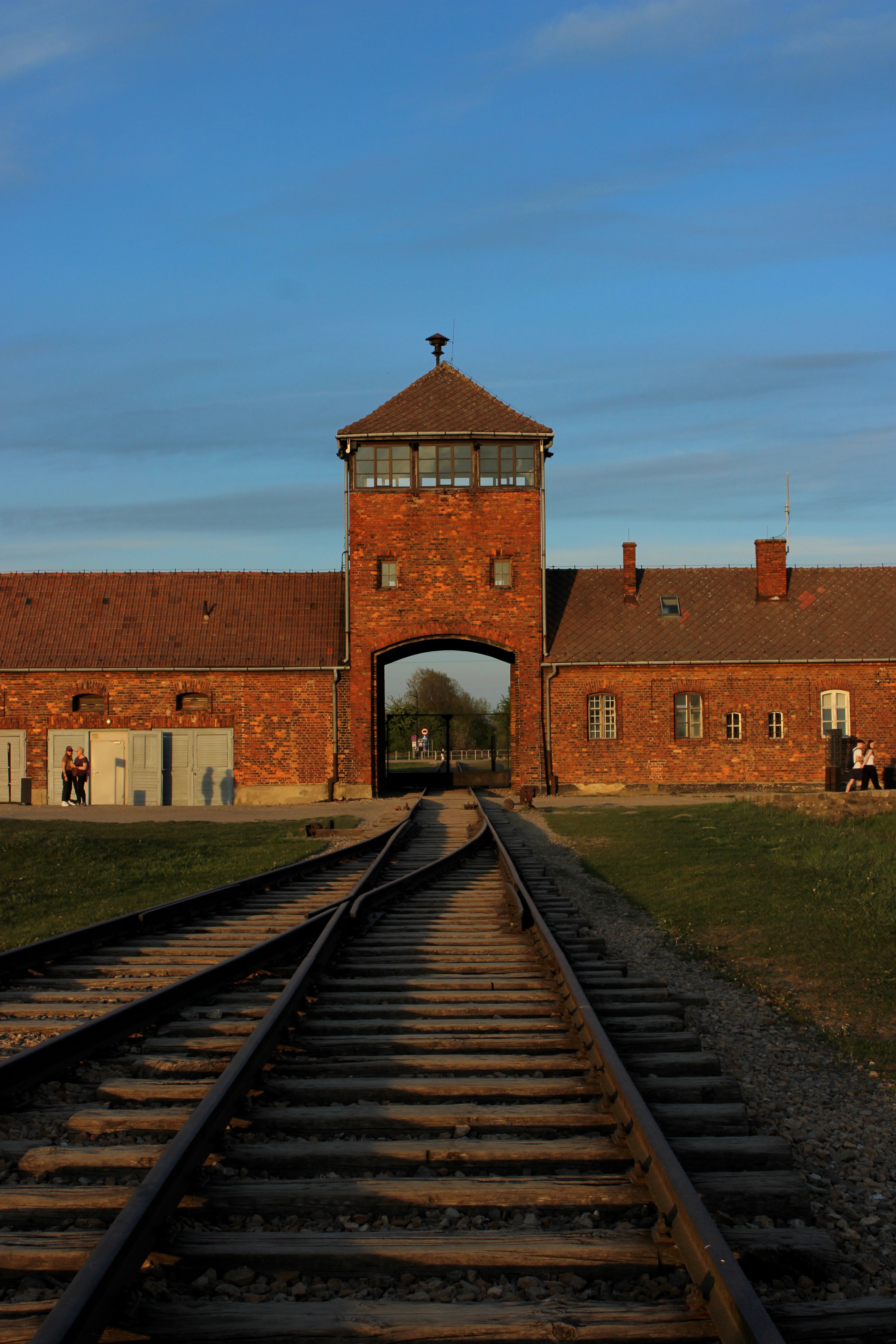
The largest Nazi concentration and extermination camp, preserved as a museum and UNESCO World Heritage Site. A visit here is a deeply moving and essential historical experience.
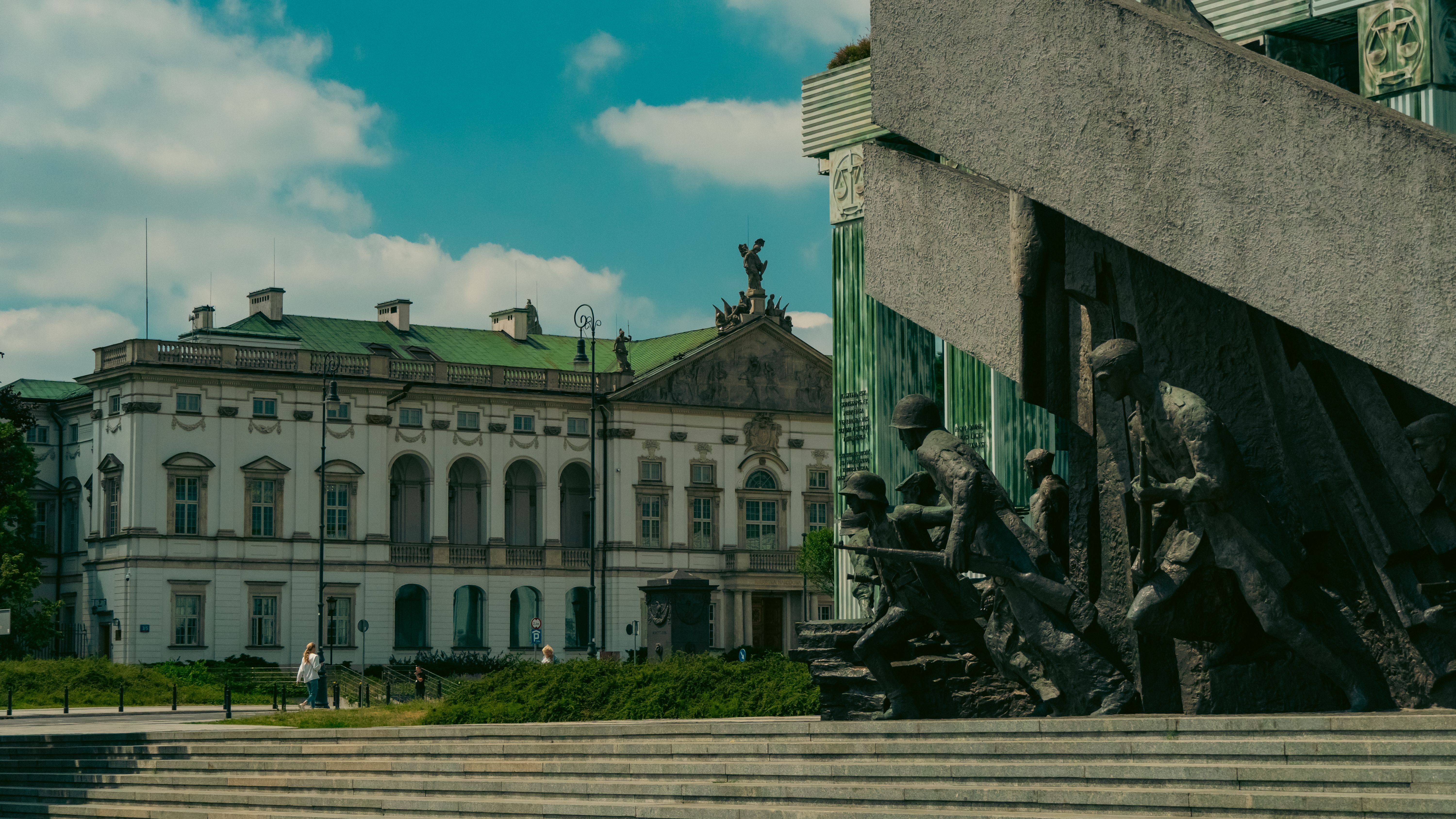
One of Poland's finest museums, commemorating the 1944 uprising against Nazi occupation. The museum uses immersive exhibitions to tell the stories of those who fought and died for Warsaw's freedom.
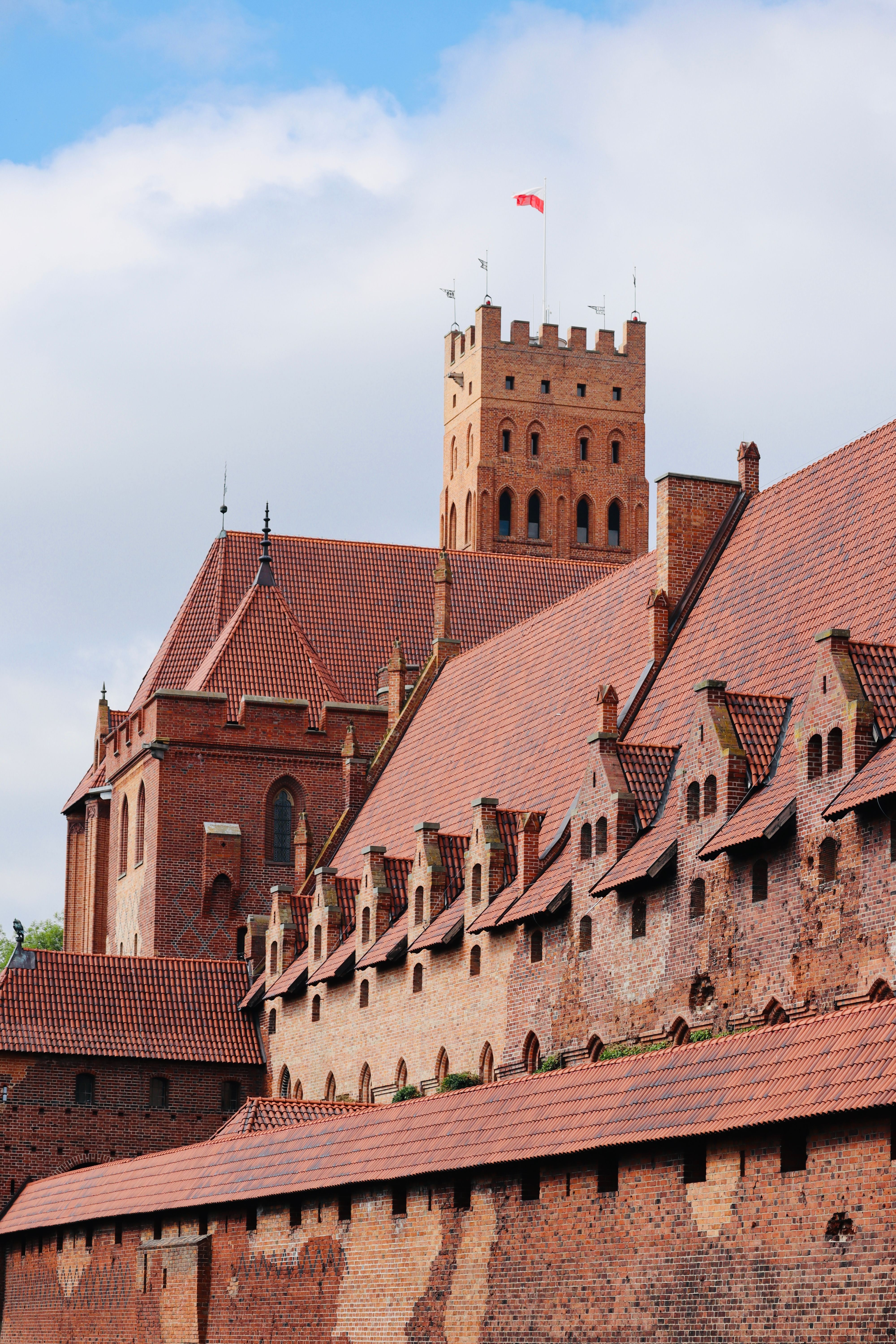
Built by the Teutonic Knights in the 13th century, Malbork is the world's largest castle by land area. A stunning example of Gothic brick architecture set on the banks of the Nogat River.
Hearty, flavourful, and deeply satisfying — Polish cuisine is one of Europe's best-kept culinary secrets.
No visit to Poland is complete without trying these beloved traditional dishes.

Poland's most beloved dish — crescent-shaped dumplings filled with potato and cheese, meat, sauerkraut, or sweet fruit. Boiled or pan-fried and served with sour cream.
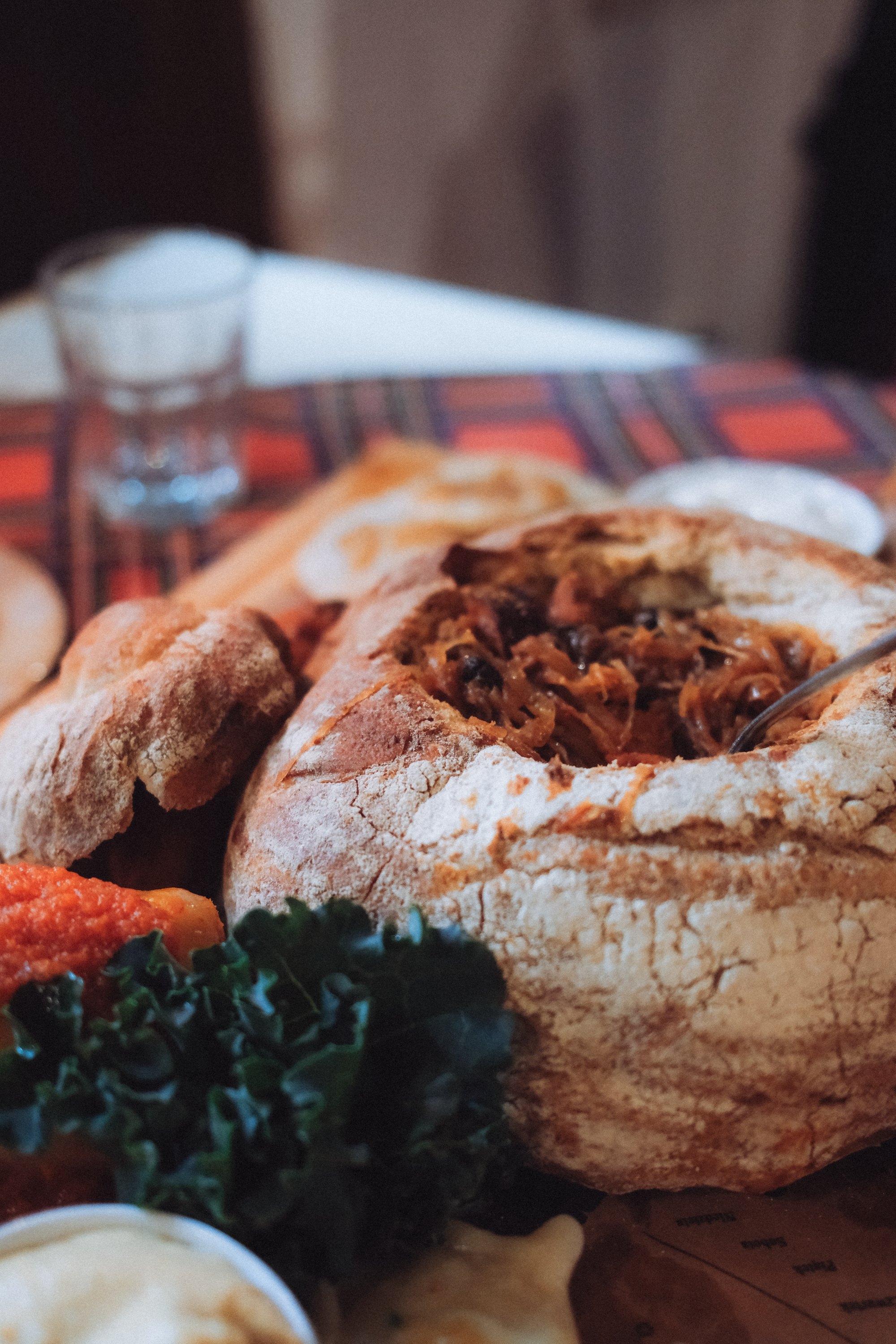
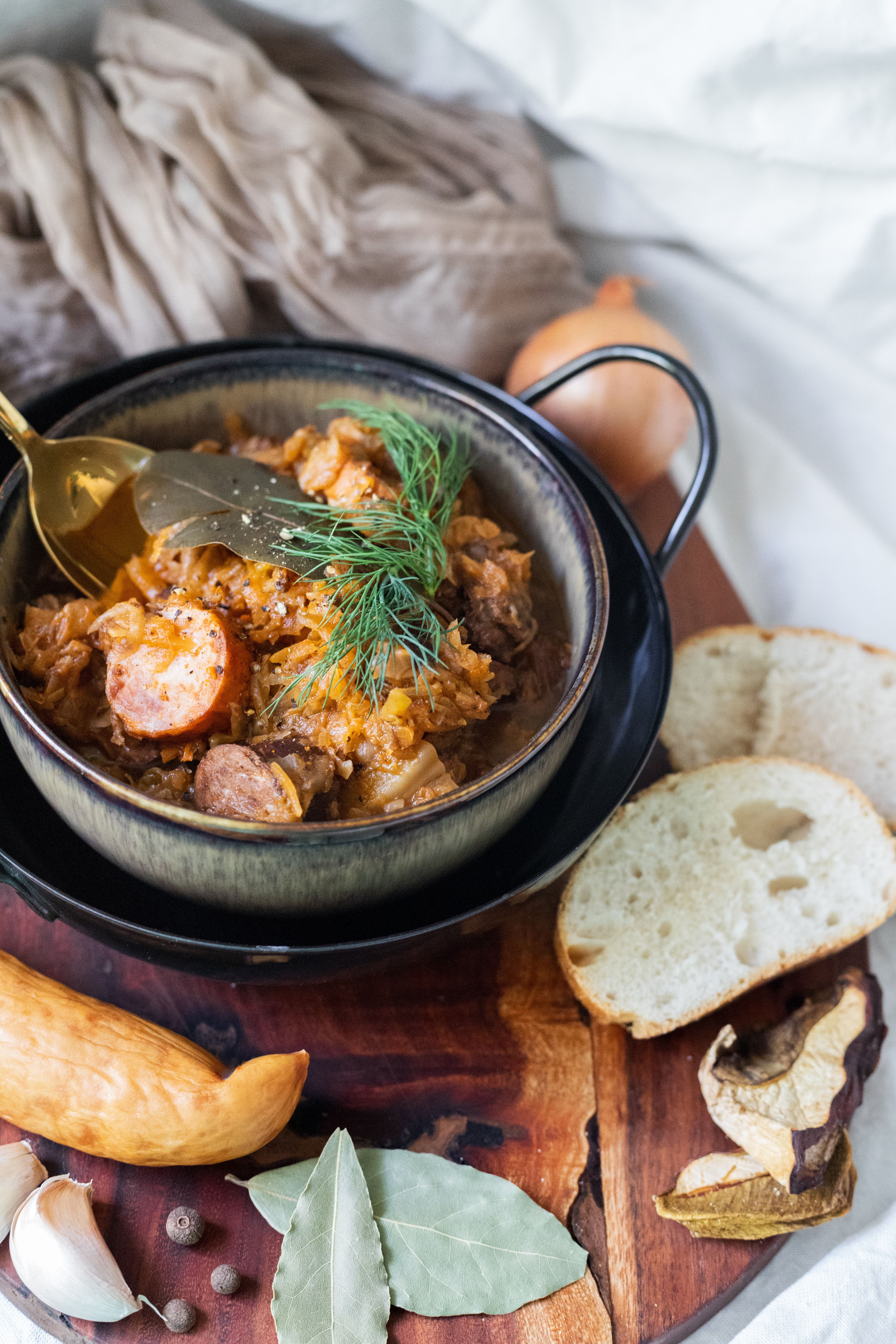
Known as "hunter's stew", bigos is a slow-cooked dish of sauerkraut, fresh cabbage, and various meats. It tastes better the longer it's cooked — often simmered over several days.
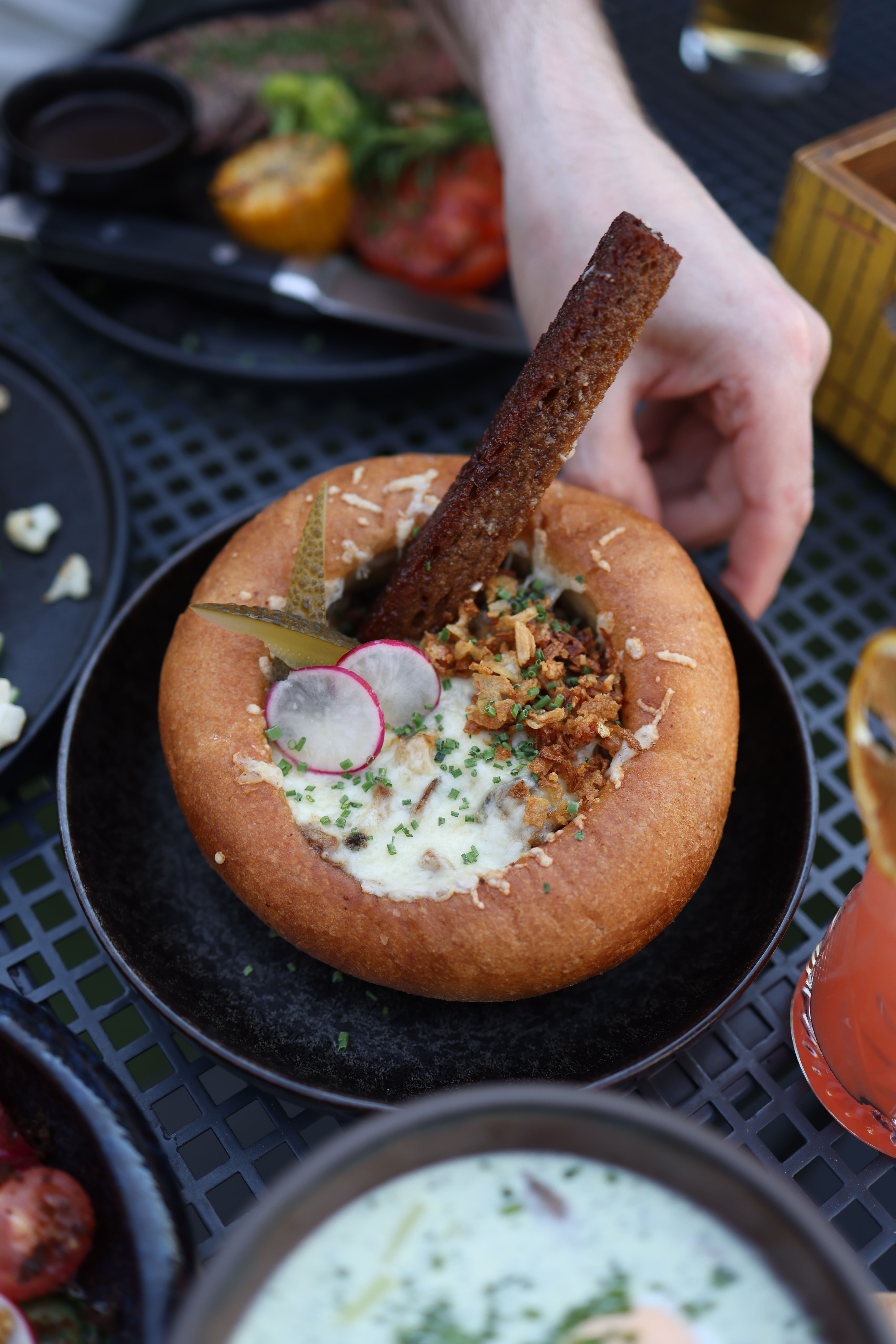
A tangy sour rye soup often served in a bread bowl with hard-boiled egg and sausage. It's one of Poland's most iconic comfort foods, particularly popular at Easter.
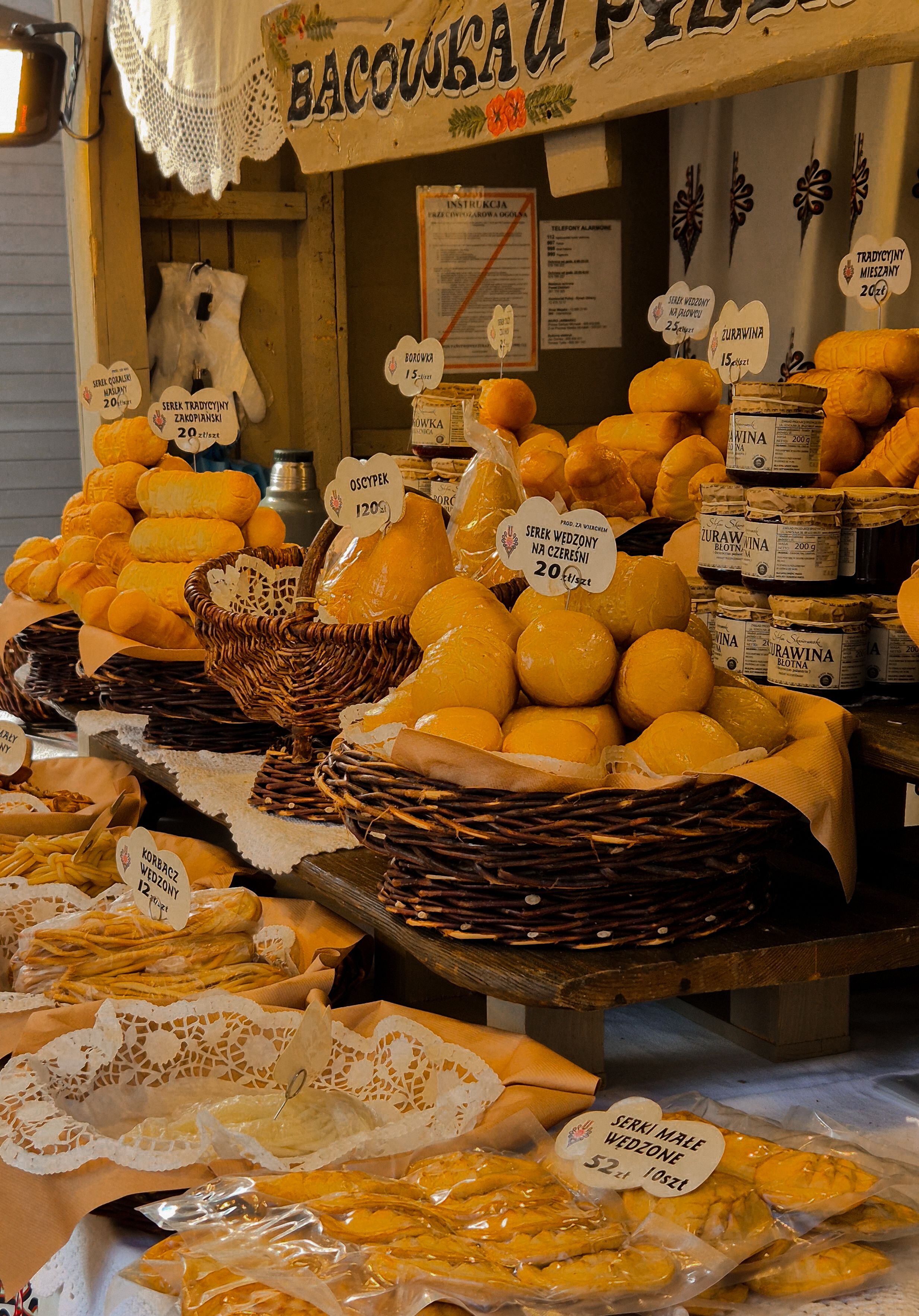
A smoked sheep's milk cheese from the Tatra Mountains, shaped into decorative spindles. Protected by EU designation of origin — a must-try when visiting Zakopane.
Cabbage rolls stuffed with minced meat and rice, served in a tomato or mushroom sauce. A warming, traditional family dish that appears regularly on Polish dinner tables.
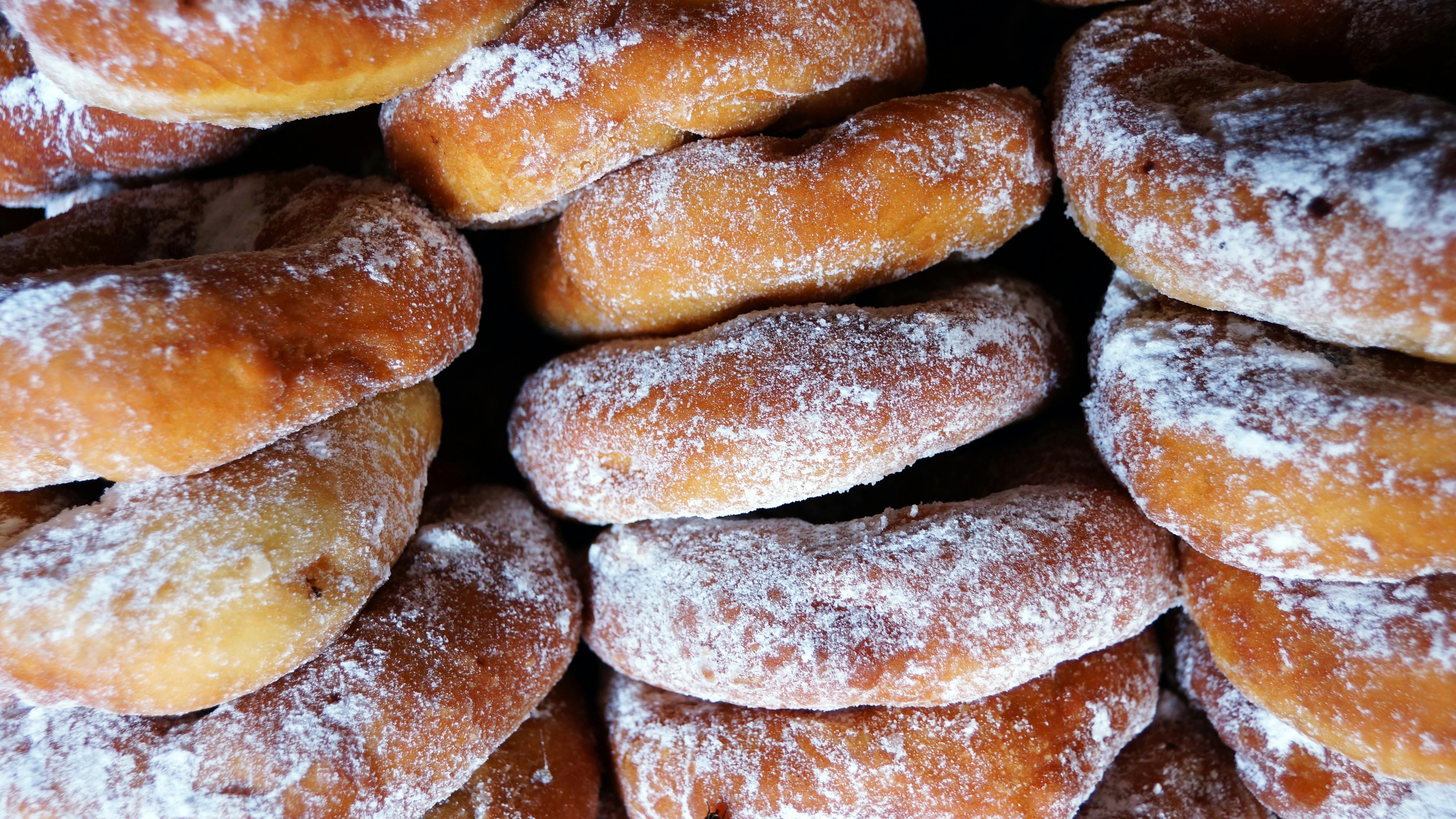
Poland's answer to the doughnut — deep-fried, jam-filled pastries dusted with icing sugar. Especially popular on Fat Thursday (Tłusty Czwartek), the last Thursday before Lent.
The best way to experience Polish cuisine is at local markets and authentic restaurants.
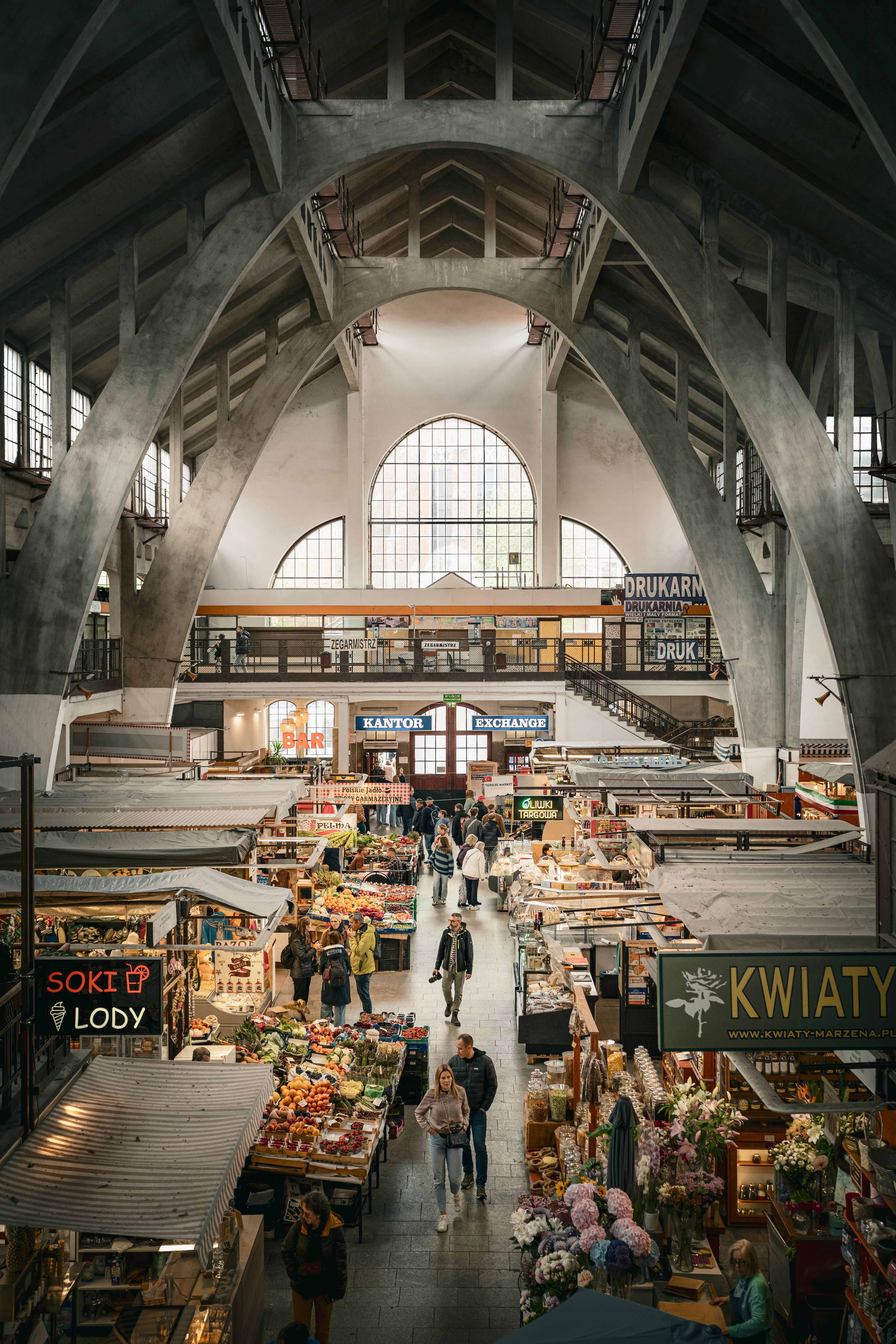
One of Kraków's oldest and most beloved traditional markets. A fantastic place to sample local produce, cheeses, smoked meats, and seasonal vegetables from local farmers.
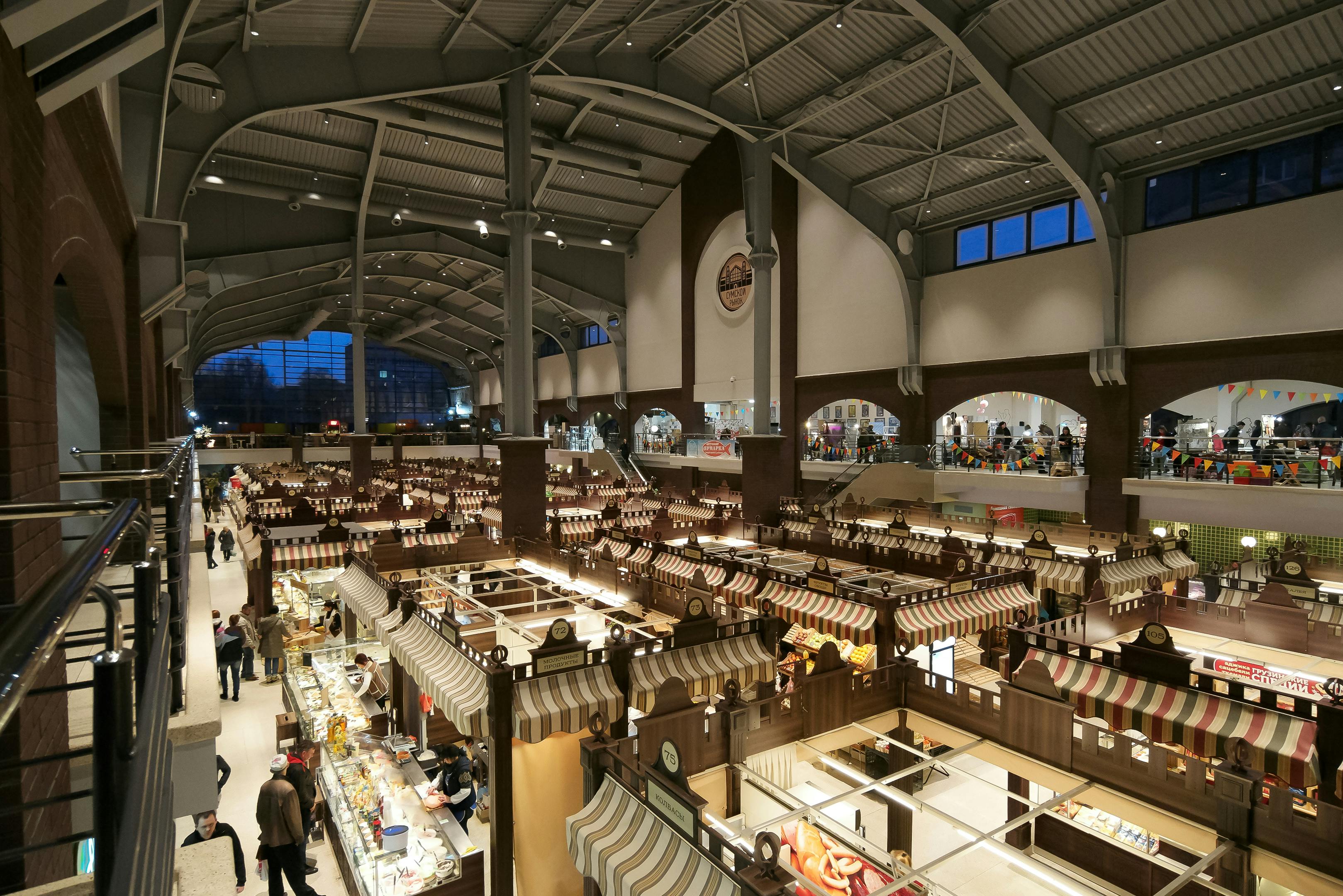
A beautifully restored Art Deco market hall in central Warsaw, packed with food stalls offering everything from traditional Polish dishes to international street food and craft beers.
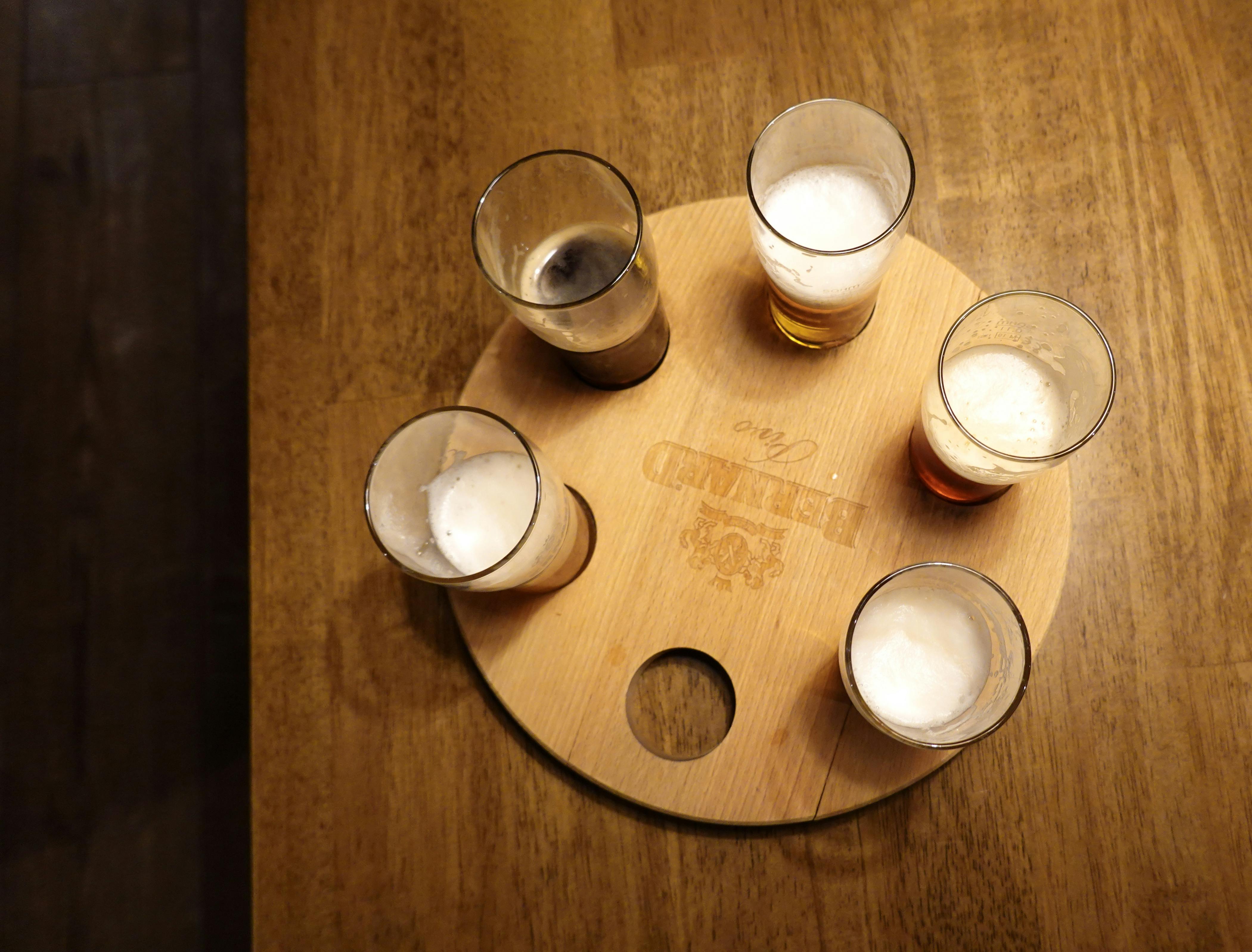
Wrocław has become the craft beer capital of Poland, with dozens of microbreweries and taprooms. The PiwPaw and Browar Stu Mostów are local favourites not to be missed.
Everything you need to know to plan a smooth, enjoyable, and memorable trip to Poland.
Use this practical guide to help you prepare for your trip to Poland.
Poland is a member of the EU and Schengen Area. EU/EEA citizens can enter with a valid national ID card. Citizens of the UK, USA, Canada, and Australia can enter visa-free for up to 90 days. Check the Polish Border Guard website for the latest requirements.
Poland uses the Polish Złoty (PLN). Despite being an EU member, Poland has not adopted the Euro. ATMs are widely available in all cities. Credit and debit cards are accepted in most establishments.
Poland has an excellent and affordable train network. PKP Intercity operates fast intercity trains between major cities. Book in advance on the PKP Intercity website for the best prices. City transport (trams, buses, metro) is cheap and efficient.
Poland is a year-round destination. May–September offers warm, sunny weather perfect for sightseeing. Winter (December–February) brings Christmas markets and skiing in the Tatras. Avoid national holidays for shorter queues at major attractions.
Polish (Polski) is the official language. English is widely spoken in major cities, hotels, and tourist areas, particularly among younger generations. Learning a few basic Polish phrases is appreciated by locals.
Poland is generally very safe for tourists. The European Health Insurance Card (EHIC) covers EU citizens. Travel insurance is strongly recommended for non-EU visitors. Emergency services number: 112 (EU-wide). Police: 997. Ambulance: 999.
Poland uses Type E plugs with 230V/50Hz electricity — the standard across continental Europe. UK visitors will need a travel adaptor. US/Canadian visitors will need both an adaptor and a voltage converter for high-power devices.
Poland is one of Europe's most affordable destinations.
Poles are warm and hospitable. Remove shoes when entering someone's home. Greet people with a handshake. Tipping is customary — around 10% in restaurants. Always say "Smacznego" (bon appétit) before eating with others.
Have a question about your trip to Poland? We'd love to help you plan the perfect adventure.
Whether you have a question about a specific destination, need help planning your itinerary, or would like to request a brochure — our team of Poland travel experts is here to help.